Manufacturing & Factory
Lighting Guide
IES RP-7-21 compliant LED solutions for production floors, assembly lines, and quality inspection areas
65%
Energy Savings vs HID
<1%
Flicker (IEEE 1789)
CRI 90+
Available for Inspection
IES RP-7-21 Manufacturing Illuminance Standards
Recommended foot-candle levels and CRI requirements by manufacturing zone
General Production Floor
Standard manufacturing operations
Assembly Line — Simple
Large parts, low visual complexity
Assembly Line — Medium
Small parts, moderate precision
Assembly Line — Difficult/Complicated
Fine components, tight tolerances
Quality Inspection — General
Visual defect detection
Quality Inspection — Fine/Exacting
Color matching, surface finish, micro-defect
CNC Machine Shop
Operator visibility + machine controls
Welding Area
General ambient (task light separate)
Paint & Coating
Color accuracy critical
Tool & Die Room
Precision measurement
Material Storage
Forklift safety
Shipping & Receiving
Standard dock operations
Maintenance Shop
Repair tasks and diagnostics
Source: ANSI/IES RP-7-21 (Recommended Practice for Industrial Lighting). Always verify with local AHJ and facility safety officer.
💡CRI matters for quality: Upgrading from HID (CRI 65) to LED (CRI 80+) significantly improves color differentiation at inspection stations. For paint, coating, and fine defect detection, CRI ≥ 90 is essential — reducing inspection rejects by 10–15%.
Ceiling Height & Fixture Selection Guide
Match mounting height to the right fixture type for optimal coverage and efficiency
12–18 ft
18–25 ft
25–35 ft
35–50 ft
Harsh/Wet
Stroboscopic Effect: A Hidden Factory Safety Hazard
Why flicker-free LED lighting is critical near rotating machinery
The Danger: Stroboscopic Illusion
Traditional fluorescent and HID lights flicker at 100–120 Hz — imperceptible to the eye but enough to create a stroboscopic effect on rotating machinery. Spinning lathes, drill presses, and saw blades can appear stationary or slow-moving under flickering light.
The Solution: Flicker-Free LED
All Auvolar LED fixtures operate at flicker rates below 1%, meeting IEEE 1789-2015 requirements. Constant-current LED drivers eliminate the AC ripple that causes stroboscopic effects — rotating parts always appear in motion.
Compliance & Regulatory Requirements
Key standards for manufacturing facility lighting design
OSHA General Duty (29 USC 654)
Adequate illumination for safe work
Federal requirement
ANSI/IES RP-7-21
Industrial facility lighting recommended practice
Authoritative design standard
OSHA 1910.178
Powered industrial truck lighting
Forklift operating areas
IEEE 1789-2015
Flicker-free requirement <1%
Critical for rotating machinery safety
ASHRAE 90.1-2022
Occupancy sensors, daylight harvesting
Energy code new construction
California Title 24
Mandatory controls + dimming
CA facilities
UL 1598
Listed luminaire safety standard
All Auvolar fixtures ✅
NFPA 70 (NEC)
Electrical installation code
Fixture wiring & circuiting
NFPA 13
18″ sprinkler clearance
Mounting height constraint
IP65/IP66
Ingress protection for harsh environments
Wash-down, dust, moisture
Lighting Solutions by Manufacturing Scenario
Design parameters, example configurations, and recommended products for each manufacturing environment
🚗 Automotive & Heavy Assembly
Automotive plants handle large-scale frame welding, body panel assembly, and final inspection — all under the same roof. General production floors need 50–100 fc, but final inspection stations demand 200 fc with CRI ≥ 80 for defect detection. Ceiling heights range from 25–40 ft. Vibration from stamping presses and robotic welders requires reinforced fixture housings.
Design Parameters
| Target illuminance | 50–100 fc general, 200 fc inspection |
| Min illuminance | 30 fc |
| CRI | ≥80 general, ≥90 paint/inspection |
| Ceiling height | 25–40 ft |
| CCT | 5000K (daylight white) |
| Special | Vibration rated, flicker-free <1% |
Example Configuration
Recommended Products


🔬 Electronics & Precision Assembly
Electronics manufacturing demands the highest visual precision — soldering SMD components, wire bonding, and micro-assembly require 100–200 fc with CRI ≥ 90 for accurate color differentiation. ESD-safe environments need grounded fixtures. Low ceiling heights (12–20 ft) favor linear high bays with supplemental task lighting at workstations.
Design Parameters
| Target illuminance | 50–200 fc (task-dependent) |
| Min illuminance | 30 fc |
| CRI | ≥90 (color-critical inspection) |
| Ceiling height | 12–20 ft |
| CCT | 4000K–5000K |
| Special | ESD-safe, anti-static, flicker-free |
Example Configuration
Recommended Products


🍽️ Food & Beverage Processing
Food processing environments are harsh — daily high-pressure wash-downs, humidity, and chemical exposure demand IP65-rated vapor tight fixtures with stainless steel clips. NSF compliance requires sealed luminaires that prevent contamination. Illuminance of 75–100 fc ensures HACCP inspection accuracy. No glass components allowed in food zones.
Design Parameters
| Target illuminance | 75–100 fc |
| Min illuminance | 50 fc |
| CRI | ≥80 (≥90 for color grading) |
| Ceiling height | 12–20 ft |
| IP rating | IP65 minimum (IP66 preferred) |
| Special | NSF listed, no glass, stainless clips |
Example Configuration
Recommended Products


⚙️ Metal Fabrication & Machine Shop
CNC machining, stamping, and cutting generate extreme vibration, metal particles, and heat. Standard fixtures fail within months — reinforced housings with sealed drivers are essential. The stroboscopic effect from traditional HID/fluorescent lighting near rotating machinery creates a lethal illusion of stationary parts. Flicker-free LED (<1%) eliminates this hazard.
Design Parameters
| Target illuminance | 50–100 fc |
| Min illuminance | 30 fc |
| CRI | ≥80 |
| Ceiling height | 18–35 ft |
| CCT | 5000K |
| Special | Vibration rated, sealed driver, flicker-free |
Example Configuration
Recommended Products

💊 Pharmaceutical & Cleanroom
Pharmaceutical manufacturing under FDA 21 CFR Part 211 requires controlled environments with ultra-high CRI ≥ 90 for visual inspection of tablets, capsules, and packaging. Cleanroom-rated sealed fixtures prevent particulate contamination. Illuminance of 100–200 fc supports GMP inspection protocols. All fixtures must be smooth-surface, non-shedding, and easy to wipe down.
Design Parameters
| Target illuminance | 100–200 fc |
| Min illuminance | 75 fc |
| CRI | ≥90 (FDA visual inspection) |
| Ceiling height | 10–16 ft |
| CCT | 4000K–5000K |
| Special | Sealed, cleanroom rated, FDA 21 CFR 211 |
Example Configuration
Recommended Products

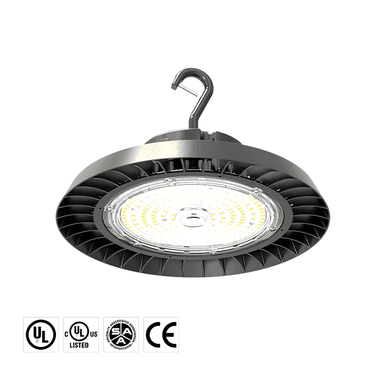
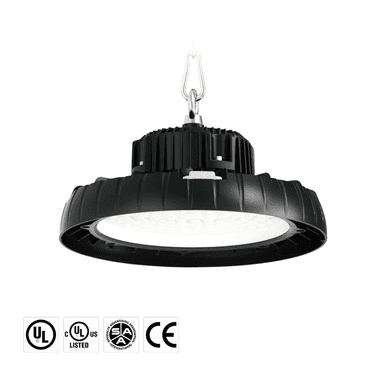
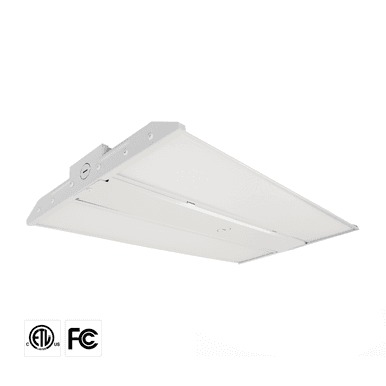
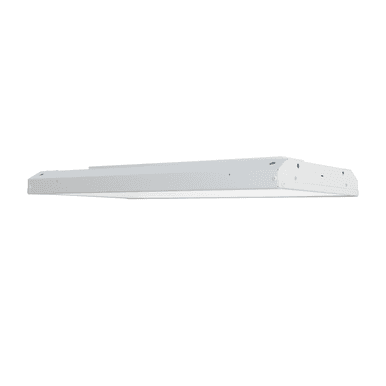
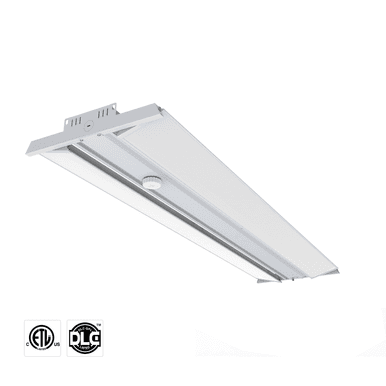
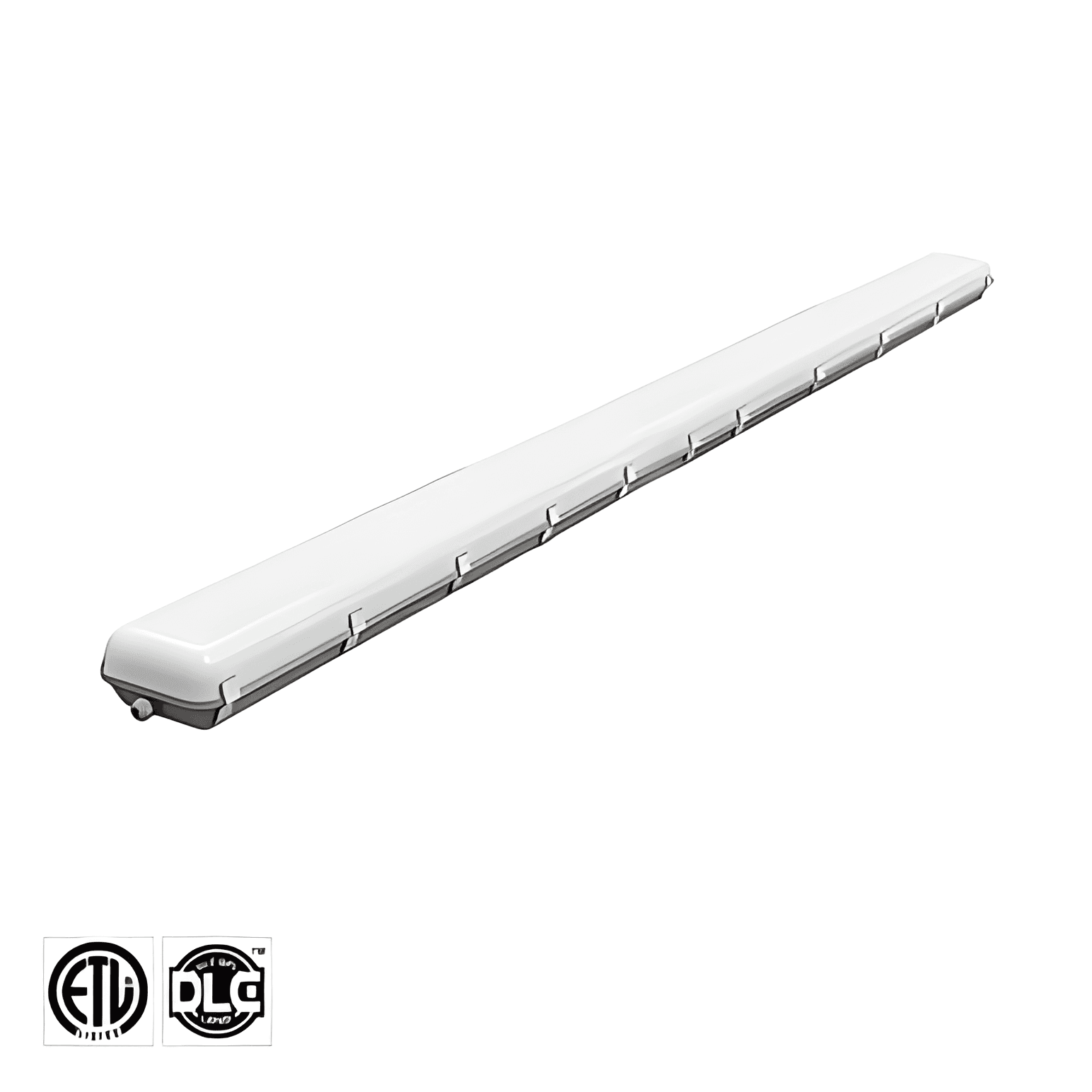
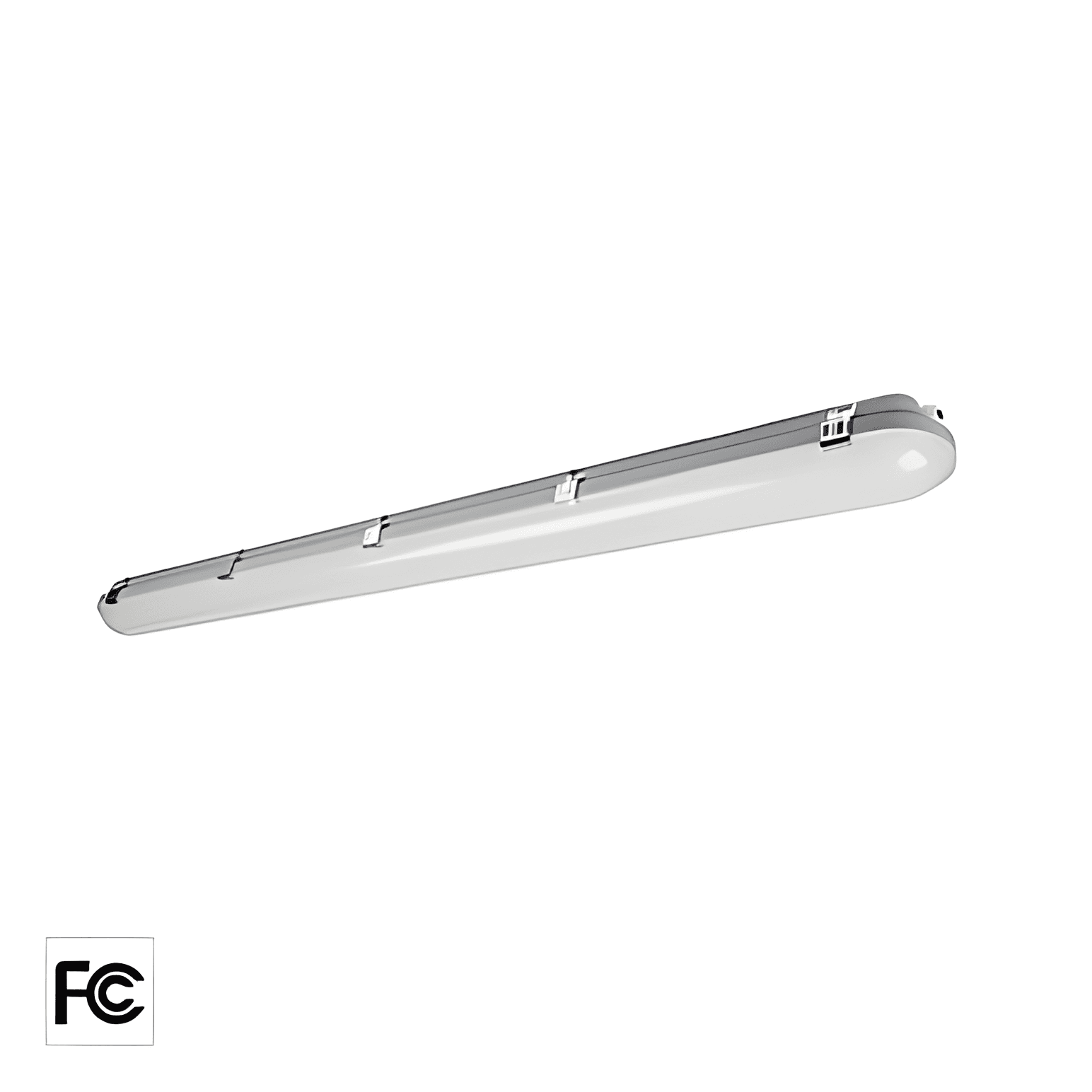
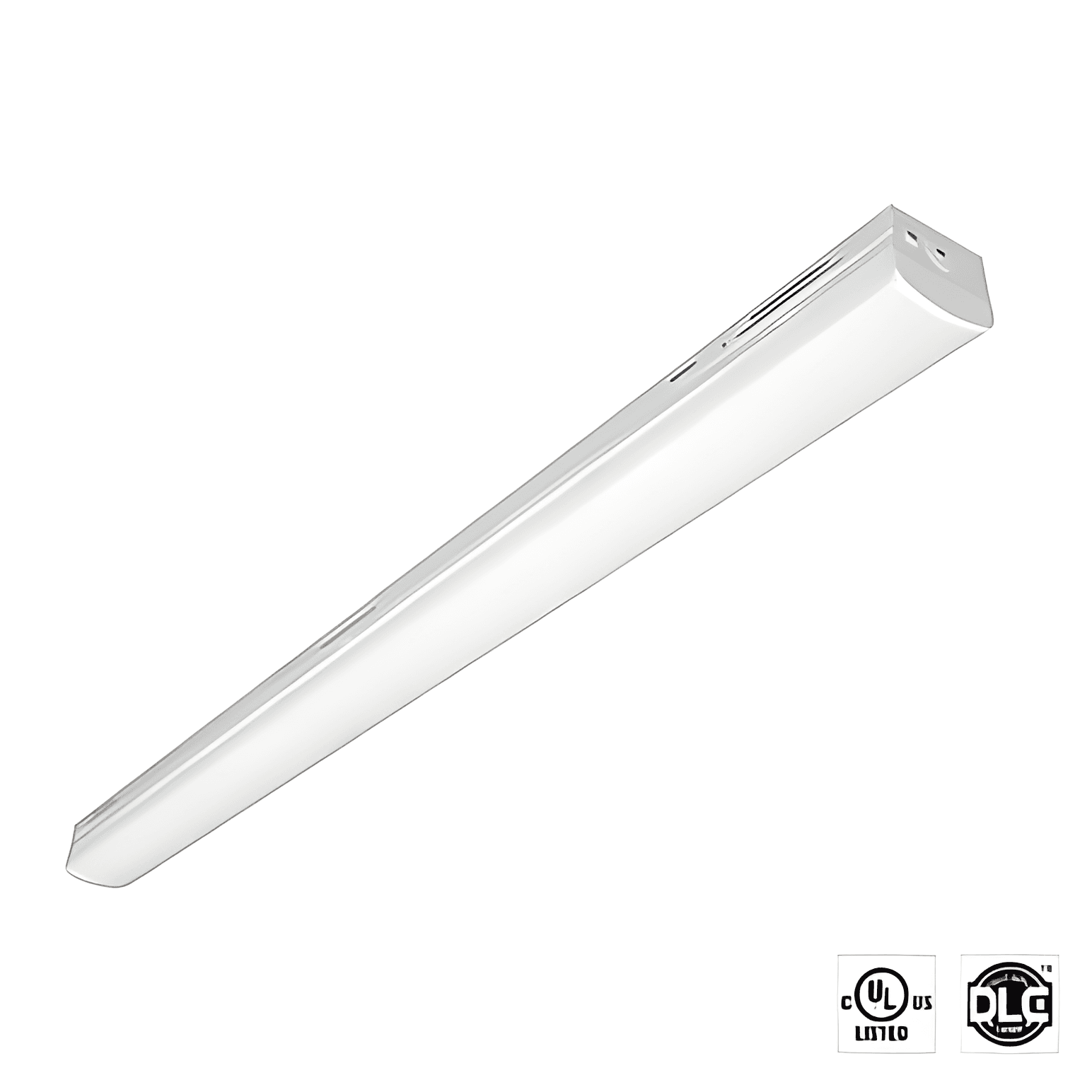
Recommended Products for Manufacturing
DLC certified, vibration-rated, flicker-free LED fixtures for every factory environment
LED vs Traditional: Energy Savings Comparison
Based on $0.12/kWh, 6,000 hrs/year (two-shift operation, 16 hrs/day × 375 days)
400W Metal Halide → UFO High Bay 150W
250W Metal Halide → UFO High Bay 100W
6-lamp T5HO → Linear High Bay 160W
4-lamp T8 Fluorescent → Vapor Tight 80W
2×4 Fluorescent Troffer → LED Troffer 40W
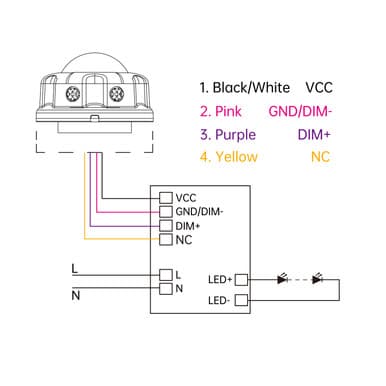
💰Occupancy sensors add 30–50% additional savings in storage aisles, break rooms, and low-traffic corridors. Auvolar PIR and microwave sensors integrate directly with all high bay fixtures.
Case Study
120,000 sq ft Automotive Parts Plant — Houston, TX
Replaced 200 × 400W metal halide + 80 × 250W metal halide with Auvolar UFO High Bay oH 200W (production floor) + Linear HB 160W (assembly lines) + VT8FT 80W (wash areas). Energy reduced 64%. CRI improved from 65 to 80+, reducing inspection rejects by 12%. Texas New Mexico Power rebates covered $18,000 of upfront costs.
$68,000
Annual Energy Savings
11 mo
Payback (after DLC rebates)
64%
Energy Reduction
Ready to upgrade your factory lighting?
Get a free photometric layout, IES RP-7 compliance review, and energy savings analysis for your manufacturing facility.