LED Restaurant Lighting Guide
IES RP-31 Hospitality Solutions
Complete design guide for restaurants, bars, and hospitality venues — from fine dining ambiance to commercial kitchen task lighting
90+
CRI for Food Presentation
75%
Energy Savings vs Halogen
2700K
Warm Dining Ambiance
IES RP-31 Restaurant Illuminance Standards
Recommended foot-candle levels by restaurant zone per IES RP-31 and health department requirements
Fine Dining
Warm 2700K, high CRI ≥ 90 for food/décor
Casual Dining
3000K warm white, dimmable for day/night
Fast Casual
3000K–3500K, bright but comfortable
QSR / Fast Food
3500K–4000K, high visibility for speed
Bar / Lounge
2700K amber-warm, accent and task layers
Kitchen / Prep Area
4000K–5000K, CRI ≥ 80 for food safety
Hostess / Entry
Transition zone, warm and welcoming
Restrooms
Flattering 3000K with good CRI
Outdoor Patio
Warm string lights, sconces, Dark Sky aware
Source: IES RP-31 (Lighting for Hospitality and Foodservice), FDA Food Code, local health department requirements. Illuminance values are maintained averages at task height (30″ table level).
💡CRI matters more than foot-candles in restaurants. A 20 fc fixture with CRI 95 will make food look dramatically better than a 50 fc fixture with CRI 70. Always specify CRI 90+ for any fixture that illuminates food, skin, or décor. Low-CRI lighting is the #1 reason new restaurant interiors feel "off" despite professional design.
Restaurant Fixture Selection Guide
Match restaurant zone to the right fixture type, CCT, and dimming
Fine Dining Tables
Intimate pools of light on tables ⭐
Casual Dining General
Layered ambient + accent
QSR / Fast Food
Even, bright coverage
Kitchen / Prep
Task lighting, easy clean
Outdoor Patio
Weather rated, warm ambiance
Compliance & Code Requirements
Key regulations for restaurant and hospitality lighting design
IES RP-31
Lighting for hospitality and foodservice environments
Primary design standard
ASHRAE 90.1-2022
Lighting power density: 0.65 W/sq ft (dining), 1.21 W/sq ft (kitchen)
Energy code for new construction
California Title 24
Dimming controls required, occupancy sensors in restrooms
Required for CA facilities
ADA / Title III
Minimum lighting for accessibility in public dining areas
Accessibility requirement
Health Dept / FDA Code
Minimum 50 fc at food prep surfaces, shatterproof lenses
Food safety requirement
NEC / NFPA 70
UL 1598 listed fixtures, GFCI for outdoor/wet locations
Electrical safety
Dark Sky Ordinance
Full cutoff outdoor fixtures in qualifying municipalities
Local outdoor lighting codes
Fire Code (NFPA)
Emergency egress lighting ≥ 1 fc, illuminated exit signs
Life safety requirement
⚠️Health department kitchen lighting: All fixtures over food contact areas must have shatterproof lenses or protective shields. Minimum 50 fc at food prep surfaces is a common health code requirement — violations can result in citations and closure.
Lighting Solutions by Restaurant Type
Design parameters, example configurations, and recommended products for each restaurant application
🍷 Fine Dining
Fine dining is theater — and lighting is the stage design. The goal is intimate pools of warm light on each table that make food sparkle and skin tones glow, while the surrounding space recedes into soft shadow. A CRI below 90 makes filet mignon look gray and wine look brown. Fluorescent or poorly dimmed LED fixtures create a cafeteria feel that destroys the $150/plate experience. The lighting must dim smoothly from 20 fc during lunch to 8 fc at dinner without flicker, color shift, or visible hotspots from recessed downlights.
Design Parameters
| Target illuminance | 10–20 fc (table), 5 fc (ambient) |
| Min illuminance | 5 fc |
| Uniformity | 4:1 (avg:min) |
| CCT | 2700K (warm white) |
| CRI | ≥ 90 |
| Controls | TRIAC dimming to 5%, scene presets |
Example Configuration
Recommended Products


🍔 Fast Casual
Fast casual restaurants like Chipotle, Panera, and Sweetgreen need to balance ambiance with operational efficiency. The space must feel welcoming and designed (not institutional) while providing enough light for self-service ordering, tray carrying, and menu reading. The lighting concept typically layers recessed downlights for general illumination with decorative pendants or wall sconces for brand identity. Daylight integration through large windows creates glare challenges and energy savings opportunities. The kitchen exposure (open kitchens) demands seamless aesthetic transition from front-of-house warm tones to back-of-house task lighting.
Design Parameters
| Target illuminance | 30–50 fc |
| Min illuminance | 20 fc |
| Uniformity | 3:1 (avg:min) |
| CCT | 3000K–3500K |
| CRI | ≥ 80 |
| Controls | 0-10V dimming + daylight sensor |
Example Configuration
Recommended Products


🍟 QSR / Fast Food
Quick-service restaurants prioritize speed, cleanliness, and brand consistency. Corporate brand standards often specify exact CCT (typically 3500K–4000K) and foot-candle levels across the dining area, drive-thru, and kitchen. The lighting must project cleanliness — customers associate bright, even illumination with food safety. Maintenance simplicity is critical; multi-unit operators need fixtures that any electrician can install and service without specialized tools. LED tube retrofits into existing fluorescent troffers offer the fastest ROI path for franchise operators upgrading hundreds of locations.
Design Parameters
| Target illuminance | 50–75 fc |
| Min illuminance | 30 fc |
| Uniformity | 2:1 (avg:min) |
| CCT | 3500K–4000K |
| CRI | ≥ 80 |
| Controls | Scheduled dimming for energy code |
Example Configuration
Recommended Products

👨🍳 Kitchen & Prep Areas
Commercial kitchens are harsh environments — grease, steam, heat, and high-pressure washdown demand IP65+ fixtures with shatterproof lenses. Health departments require minimum 50 fc at food preparation surfaces and 20 fc at handwash stations, with shielded or shatterproof lighting over all food contact areas. The challenge is achieving high, uniform illumination (75–100 fc) in a space with stainless steel surfaces that create blinding specular reflections. Indirect or diffused light sources dramatically reduce glare fatigue for kitchen staff working 10–12 hour shifts. LED tubes in existing fluorescent fixtures provide the fastest upgrade path.
Design Parameters
| Target illuminance | 75–100 fc |
| Min illuminance | 50 fc |
| Uniformity | 2:1 (avg:min) |
| CCT | 4000K–5000K |
| CRI | ≥ 80 |
| Fixture rating | IP65, NSF-rated, shatterproof lens |
Example Configuration
Recommended Products

🌙 Outdoor Patio
Outdoor dining extends a restaurant's revenue-generating square footage by 30–50%, but the lighting design is often an afterthought. The challenge is creating an intimate, enclosed feel in an open-air environment without over-lighting that destroys ambiance or attracting insects. Warm 2700K lighting with shielded fixtures minimizes insect attraction (insects are drawn to UV and blue wavelengths). Wind, rain, and temperature swings require IP65+ rated fixtures. String lights and wall sconces must be properly rated and installed per NEC outdoor wiring requirements, which many restaurants violate with consumer-grade products.
Design Parameters
| Target illuminance | 5–15 fc |
| Min illuminance | 2 fc |
| Uniformity | 5:1 (avg:min) |
| CCT | 2700K–3000K |
| CRI | ≥ 80 |
| Fixture rating | IP65+ wet rated, UL listed outdoor |
Example Configuration
Recommended Products
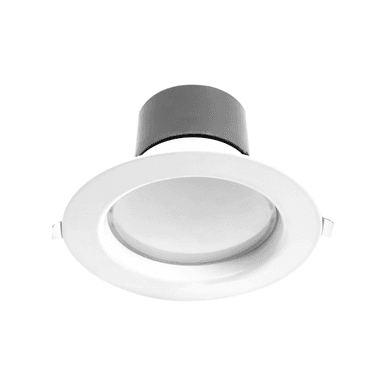
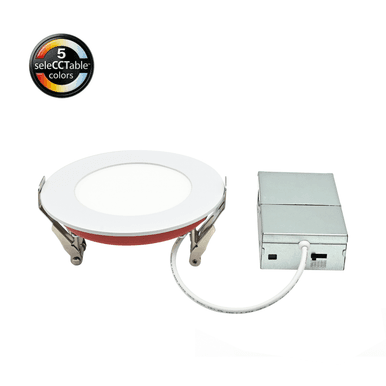
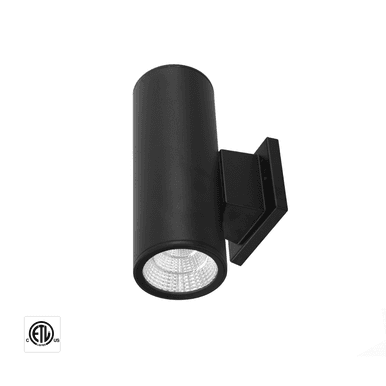
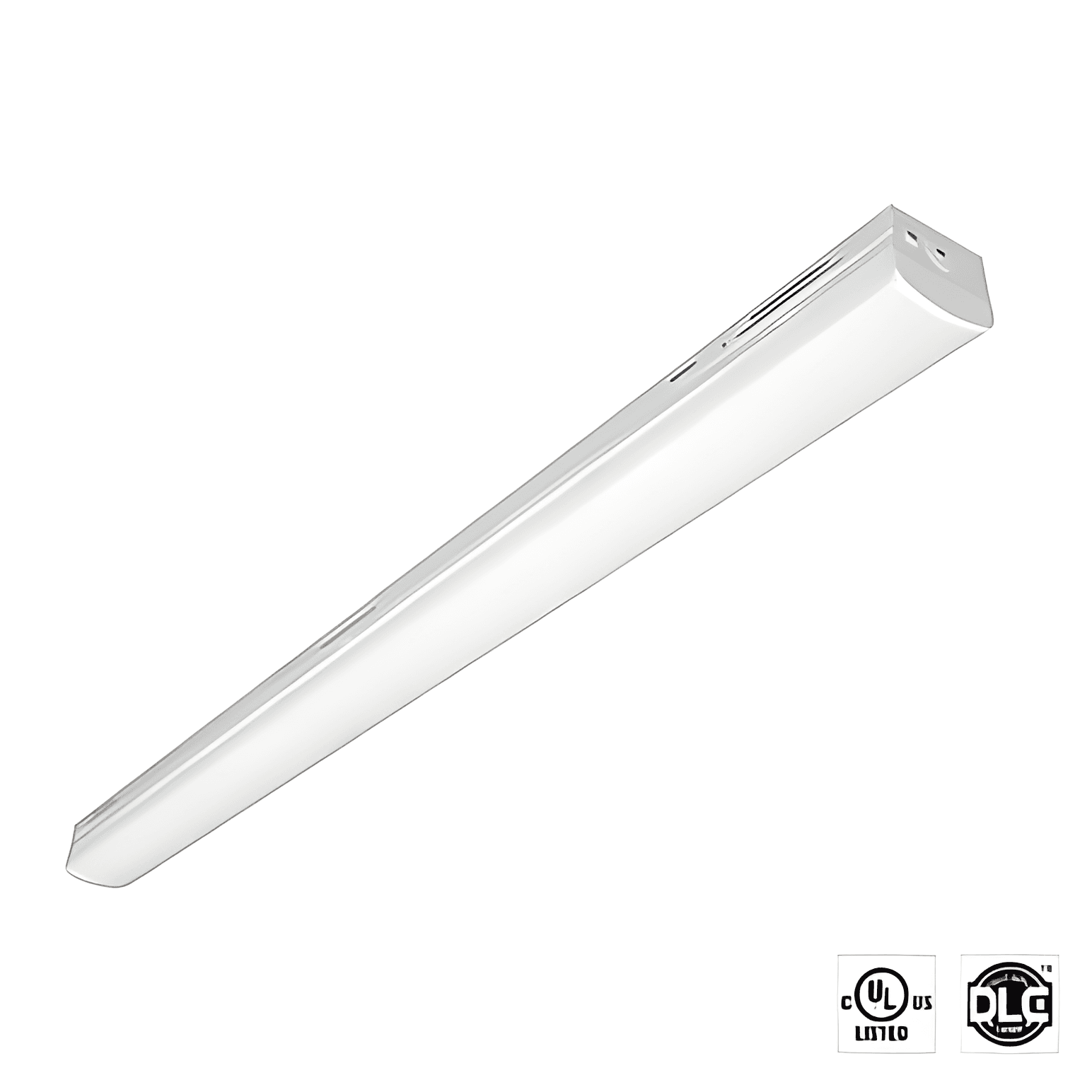
Recommended Products for Restaurant Lighting
Dimmable downlights, wall sconces, troffers, and LED tubes for restaurants and hospitality venues


LED vs Legacy: Restaurant Energy Savings Comparison
Based on $0.12/kWh, 4,380 hrs/year (12 hrs/day × 365 days)
CFL Downlight 26W
Halogen PAR30 75W
2×4 Fluorescent Troffer (3×T8)
4ft T8 Fluorescent (2 lamp)
Halogen Wall Sconce 60W
Halogen-to-LED conversions in restaurants show the highest savings (75–80%) due to halogen's extreme inefficiency. Dimming adds another 20–40% savings during low-traffic periods. Multi-unit operators see fastest ROI with LED tube retrofits.
Case Study
45-Unit Fast Casual Chain — Southern California
Replaced fluorescent troffers and halogen downlights across 45 locations with Auvolar LED T8 tubes (AN-T82) in kitchen areas and CCT tunable downlights (AN-DL, 3000K) in dining areas. Corporate brand standards maintained with consistent 3000K/30 fc dining and 5000K/75 fc kitchen. Installation completed over 8 weekends with zero operational disruption. Energy monitoring confirmed 62% reduction in lighting energy across the portfolio.
$168,000
Annual Portfolio Savings
10 mo
Payback (after utility rebates)
62%
Energy Reduction
Ready to upgrade your restaurant lighting?
Get a free lighting design, IES RP-31 compliance review, and energy savings analysis for your restaurant or hospitality venue.