LED Education Lighting Guide
IES RP-3-20 School & University Solutions
Complete design guide for K-12 classrooms, university lecture halls, gymnasiums, and libraries — from IES RP-3-20 standards to fixture selection
60%
Energy Savings vs Fluorescent
<1%
Flicker (IEEE 1789)
50K+
Hour Rated Life
IES RP-3-20 Education Illuminance Standards
Recommended foot-candle levels by educational space per IES RP-3-20
Classrooms (General)
Whiteboard/chalkboard walls require 50+ fc vertical illuminance
Art & Science Labs
CRI ≥ 85 for color-critical tasks
Lecture Halls
Dimmable for AV presentations; separate board lighting
Libraries – Reading Areas
Extended reading tasks; minimize veiling reflections
Libraries – Stacks
Vertical illuminance on book spines essential
Gymnasiums
Guard lenses required; instant-on for events
Corridors & Stairwells
Occupancy sensor control for energy savings
Cafeteria / Multi-Purpose
Dimmable for assemblies and events
Administrative Offices
IES general office standards apply
Source: IES RP-3-20 (Educational Facility Lighting). Always verify with local AHJ and state education department requirements.
💡CCT matters for learning. Research shows 3500K–4000K neutral white improves student alertness and test performance compared to both warm (3000K) and cool (5000K) color temperatures. Avoid 5000K in classrooms — it increases visual fatigue during long school days.
Fixture Selection Guide by Educational Space
Match each school space to the right fixture type, wattage, and CCT
Classrooms
Drop ceiling classrooms ⭐
Corridors
Hallways, stairwells
Gymnasiums
Open gyms, multipurpose courts
Libraries
Reading areas and stacks
Admin Offices
Front offices, counselor rooms
Compliance & Code Requirements
Key regulations for educational facility lighting design and renovation
IES RP-3-20
Recommended Practice for Educational Facility Lighting
Industry standard for all K-12 & higher education
ASHRAE 90.1-2022
Occupancy sensors, daylight controls required for new construction
Adopted by most states for school projects
California Title 24
Mandatory dimmable fixtures, occupancy controls in classrooms
Required for all CA school facilities
ADA / ANSI A117.1
Accessible lighting controls for disabled students and staff
Federal requirement for public schools
DLC / DLC Premium
Utility rebate eligibility for LED fixtures
$15–$60/fixture rebate potential
IEEE 1789
Flicker-free drivers required for student health and focus
<1% flicker recommended for classrooms
NEC / NFPA 70
UL listed fixtures, proper circuiting for schools
Electrical safety standard
DSA (California)
Division of State Architect approval for CA school construction
Required for CA public school projects
⚠️Flicker-free is non-negotiable for schools. IEEE 1789 recommends <1% flicker for environments where people spend extended periods. Students with photosensitive conditions (epilepsy, migraines) are especially vulnerable. All Auvolar LED fixtures meet this standard.
Lighting Solutions by Educational Space
Design parameters, example configurations, and recommended products for each school environment
📚 K-12 Classrooms
Classrooms are where students spend 6+ hours daily — lighting quality directly impacts attention, test scores, and behavior. Studies show that well-lit classrooms with 3500K–4000K CCT improve student alertness by 15–20% compared to outdated cool-white fluorescent. Flicker from aging T8 ballasts causes headaches and eye strain, while uneven light distribution creates hot spots near windows and dark zones at the back of rooms. Drop ceiling grids dominate K-12 construction, making 2×4 troffers the standard replacement path.
Design Parameters
| Target illuminance | 40–75 fc |
| Min illuminance | 30 fc |
| Uniformity | 3:1 (avg:min) |
| Ceiling height | 9–12 ft |
| CCT | 3500K–4000K (neutral white) |
| Controls | Occupancy + daylight harvesting (code req.) |
Example Configuration
Recommended Products


🎓 University Lecture Halls
Lecture halls seat 100–500 students across tiered seating with presentation screens, whiteboards, and instructor podiums. The lighting design must support three distinct modes: full brightness for exams and note-taking, dimmed ambient for projected presentations, and focused podium lighting for lectures. Legacy fixtures cannot dim smoothly — they buzz, flicker, or simply shut off. LED troffers with 0-10V dimming provide seamless scene control from 10% to 100%, while separate whiteboard zones maintain visibility during AV use.
Design Parameters
| Target illuminance | 30–50 fc (general) / 10–15 fc (AV mode) |
| Min illuminance | 25 fc |
| Uniformity | 3:1 (avg:min) |
| Ceiling height | 12–20 ft |
| CCT | 3500K–4000K |
| Controls | 0-10V dimming, scene presets, zoned whiteboard |
Example Configuration
Recommended Products

🏀 Gymnasiums & Multipurpose Courts
School gymnasiums have 20–35ft ceilings and serve dual duty as sports venues and assembly spaces. Metal halide fixtures take 15+ minutes to restrike after a power interruption — unacceptable during games and events. Ball impact is a constant threat, requiring guard lenses or impact-rated housings (IK08+). The lighting must deliver 50+ fc uniformly across the court with minimal glare for player safety, while supporting dimming for assemblies and performances.
Design Parameters
| Target illuminance | 50–75 fc (competitive) / 30–50 fc (rec) |
| Min illuminance | 30 fc |
| Uniformity | 2:1 (avg:min) |
| Mounting height | 20–35 ft |
| CCT | 5000K (daylight) |
| Lens | Guard lens / IK08+ impact rated |
Example Configuration
Recommended Products


📖 Libraries & Media Centers
Libraries require two distinct lighting zones: reading areas need high-quality, glare-free illumination for extended visual tasks, while book stacks need vertical illuminance on spine labels. Veiling reflections on glossy pages and computer screens are the primary complaint in poorly designed library lighting. Low-glare troffers with parabolic or prismatic lenses reduce UGR below 19 for comfortable reading. Stack lighting uses narrow-distribution fixtures or LED tube retrofits in existing strip fixtures positioned to illuminate vertical surfaces.
Design Parameters
| Target illuminance | 30–50 fc (reading) / 20–30 fc (stacks) |
| Min illuminance | 30 fc (reading) / 15 fc (stacks) |
| Uniformity | 2:1 (avg:min) |
| Ceiling height | 9–14 ft |
| CCT | 3500K–4000K |
| Controls | Daylight harvesting near windows, occupancy in stacks |
Example Configuration
Recommended Products
🏫 Administrative Offices
School admin offices house front desk reception, principal/counselor offices, and workrooms where staff spend full workdays. These spaces follow IES office lighting standards (30–50 fc) but often share the same aging fluorescent infrastructure as classrooms. Eye strain, headaches, and poor morale are common complaints from admin staff working under flickering 30-year-old lensed troffers. LED panel retrofits with CCT-selectable drivers (3000K/3500K/4000K) allow different office zones to be optimized — warmer for counseling rooms, neutral for open work areas.
Design Parameters
| Target illuminance | 30–50 fc |
| Min illuminance | 30 fc |
| Uniformity | 2:1 (avg:min) |
| Ceiling height | 9–10 ft |
| CCT | 3500K–4000K (selectable) |
| Controls | Occupancy + 0-10V dimming |
Example Configuration
Recommended Products
Recommended Products for Education Lighting
DLC certified troffers, panels, LED tubes, and high bays for schools and universities

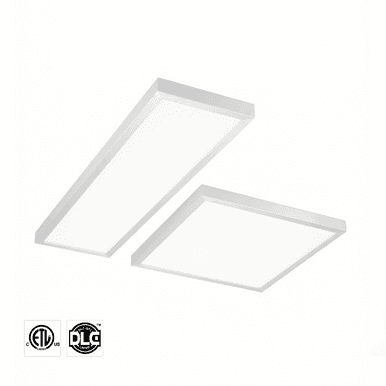

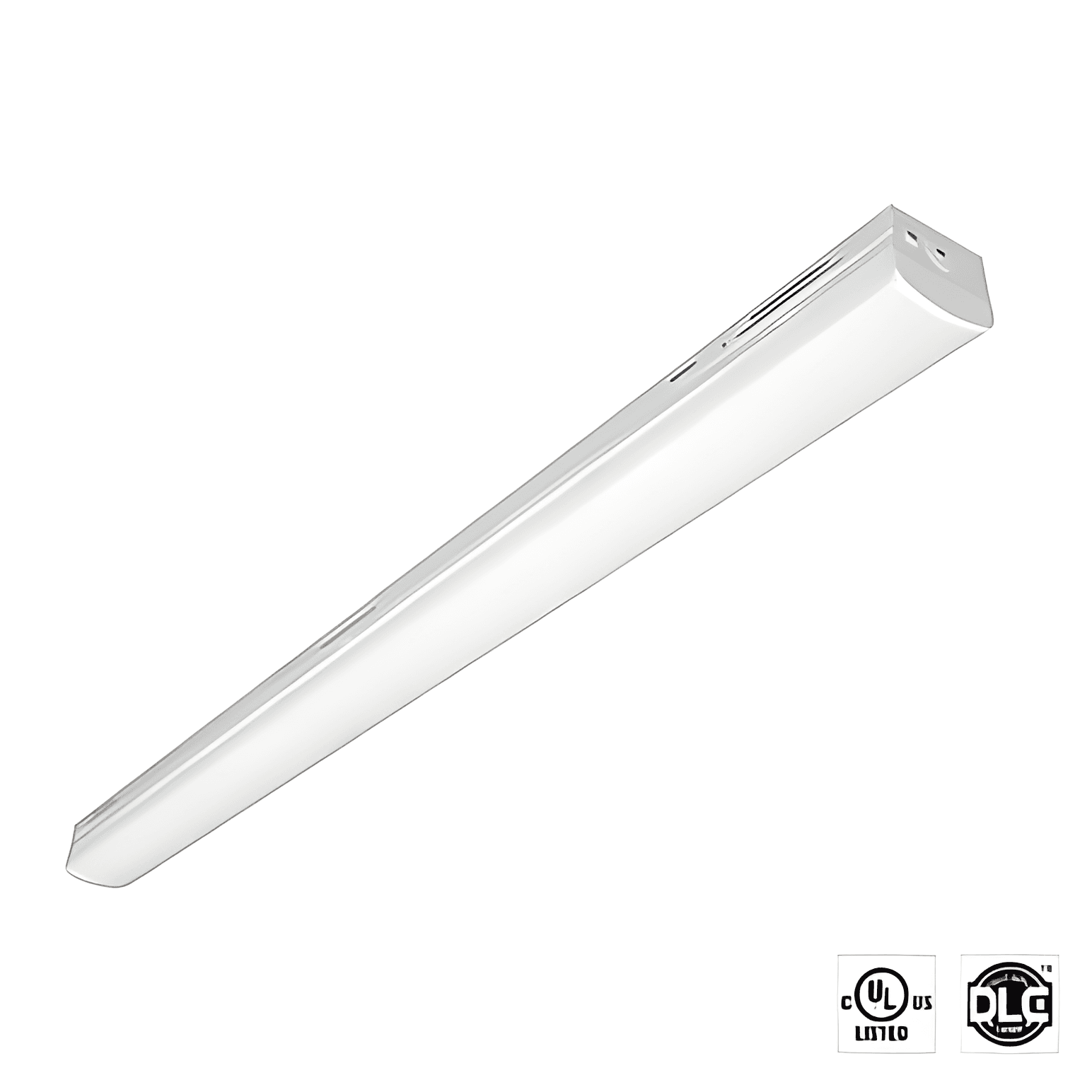
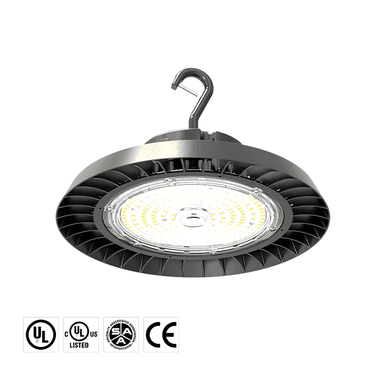
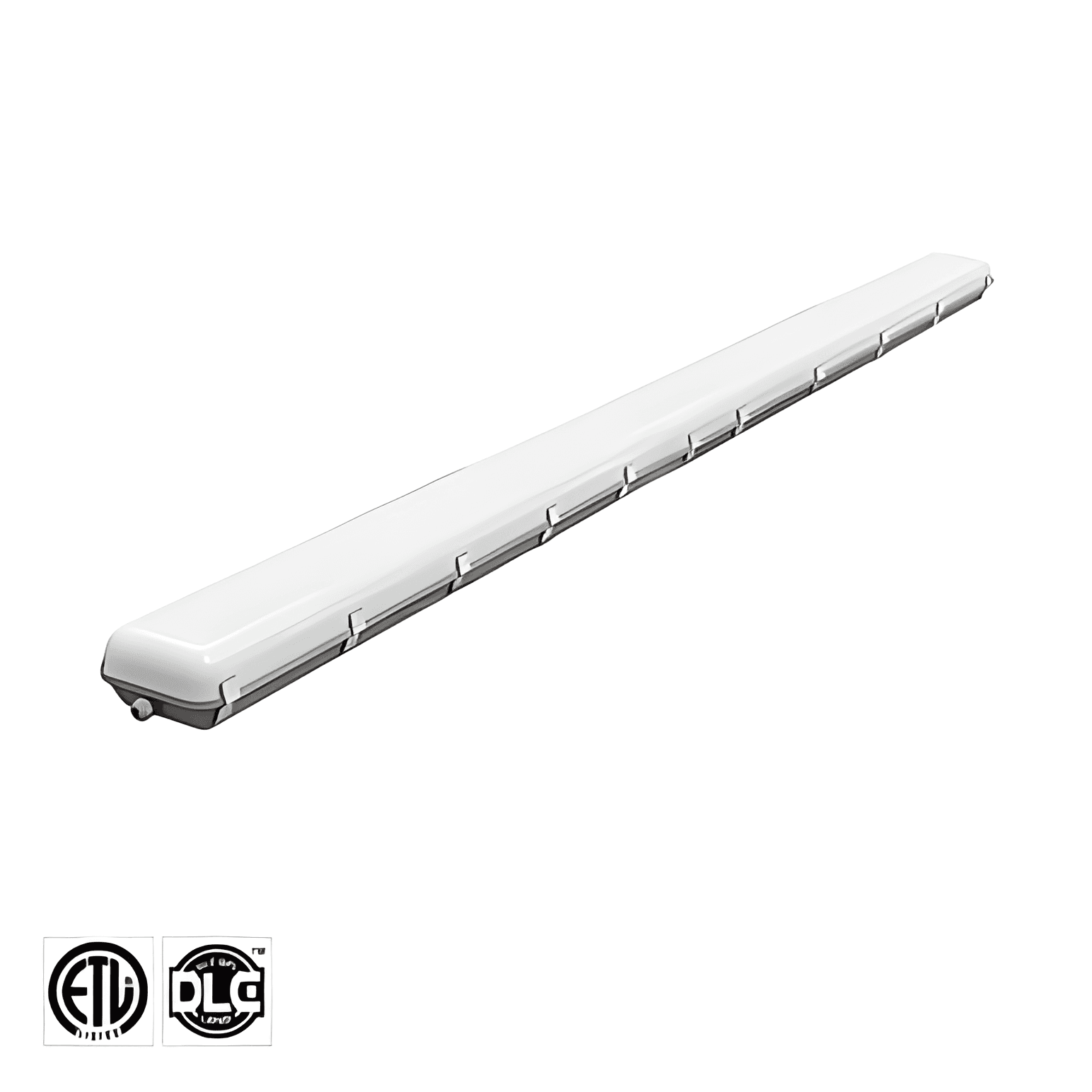
LED vs Fluorescent: Education Energy Savings Comparison
Based on $0.12/kWh, 2,600 hrs/year (10 hrs/day × 260 school days)
2×4 3-Lamp T8 Fluorescent
2×4 4-Lamp T8 Fluorescent
4ft T8 Single Tube
400W Metal Halide (Gym)
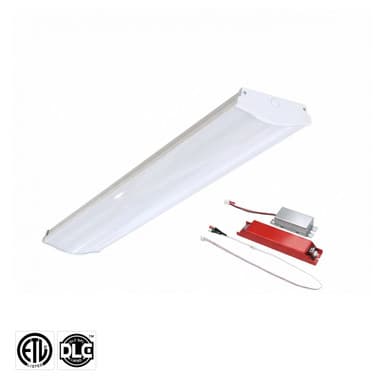
4ft 2-Lamp T8 Wraparound
DLC-certified fixtures qualify for utility rebates of $15–$60 per fixture. Many school districts achieve 12–24 month payback after rebates.
Case Study
85,000 sq ft K-8 School Campus — Riverside, CA
Replaced 520 × 4-lamp T8 fluorescent troffers with Auvolar 40W LED Troffers (AN-TF24) across 38 classrooms, library, cafeteria, and admin offices. Gymnasium upgraded with 24 × 150W UFO High Bays (HBA Series). SCE DLC rebates of $35/fixture covered 40% of material cost. Teachers reported reduced eye strain and headaches. District energy manager measured 62% reduction in lighting electricity.
$38,000
Annual Energy Savings
18 mo
Payback (after DLC rebates)
62%
Energy Reduction
Ready to upgrade your school lighting?
Get a free photometric layout, IES RP-3-20 compliance review, and energy savings analysis for your school or university.